A letter-writing kit does not need to be expensive or complete before you sit down to write. It needs to make writing easy: a pen that flows, paper that takes ink without feathering, an envelope within reach, and a stamp you don't have to hunt through a kitchen drawer for. Beginners often buy too much at once and then stall, unsure which pen suits a thank-you note and which suits a long letter to an old friend. Start small, use it, and refine it once you know what your own hand likes.
The pen matters more than anything else in the kit, because it is the part your hand holds for every sentence. Three qualities count: a grip that stays comfortable through twenty minutes of writing, ink that starts on the first stroke, and a dry time fast enough that you don't smudge the line above while writing the line below.
Left-handed writers should test before committing. A fine nib and a fast-drying ink reduce the dragging and smudging that make fountain pens frustrating. As for colour, keep black and blue-black as your workhorses and add one accent colour for headings, underlines, or a short postscript. A full page of bright turquoise is charming for a note and tiring in a four-page letter.
One test settles most pen-and-paper questions: write a line, wait ten seconds, then run your thumb across it. If the ink holds, that pairing works for you.
Two specifications matter: weight and surface. Standard 80 gsm copier paper is fine for drafts, but it feels thin in the hand and lets ink bleed into fuzzy edges. Look for writing paper in the 90 to 120 gsm range, which feels substantial without being stiff. Laid and wove finishes add texture; smooth paper suits fountain pens and fine-liners best. Cards and heavier notes usually sit around 120 to 160 gsm.
A pad of A5 writing paper, roughly twenty to fifty sheets, is the easiest starting point. A5 is friendlier than A4: a short letter still fills the page, so you are not staring at three-quarters of a blank sheet wondering what else to say. If you prefer loose sheets, buy a boxed set with matching envelopes and keep them together.
Cream or ivory paper is easier on the eye under lamplight than bright white, and it makes black ink look warmer. If you write on both sides, test for show-through before committing to a whole pad. Keep a few blank folded cards too. Not every note needs a full sheet; a three-line thank-you on a small card is entirely proper.
Match your envelopes to your paper where you can. The classic note size is C6 or A6, which takes a folded A5 sheet. For longer letters or folded A4, use C5 or DL. Buy more envelopes than you think you need, because they get addressed wrongly, crumpled in a bag, or quietly used for shopping lists.
Avoid square or unusually shaped envelopes if you want the simplest, cheapest mailing. Many postal services treat them differently because they can't run through automated sorting equipment. If you plan to send anything lumpy, sealed with wax, or unusually sized, check your national postal service's rules first.
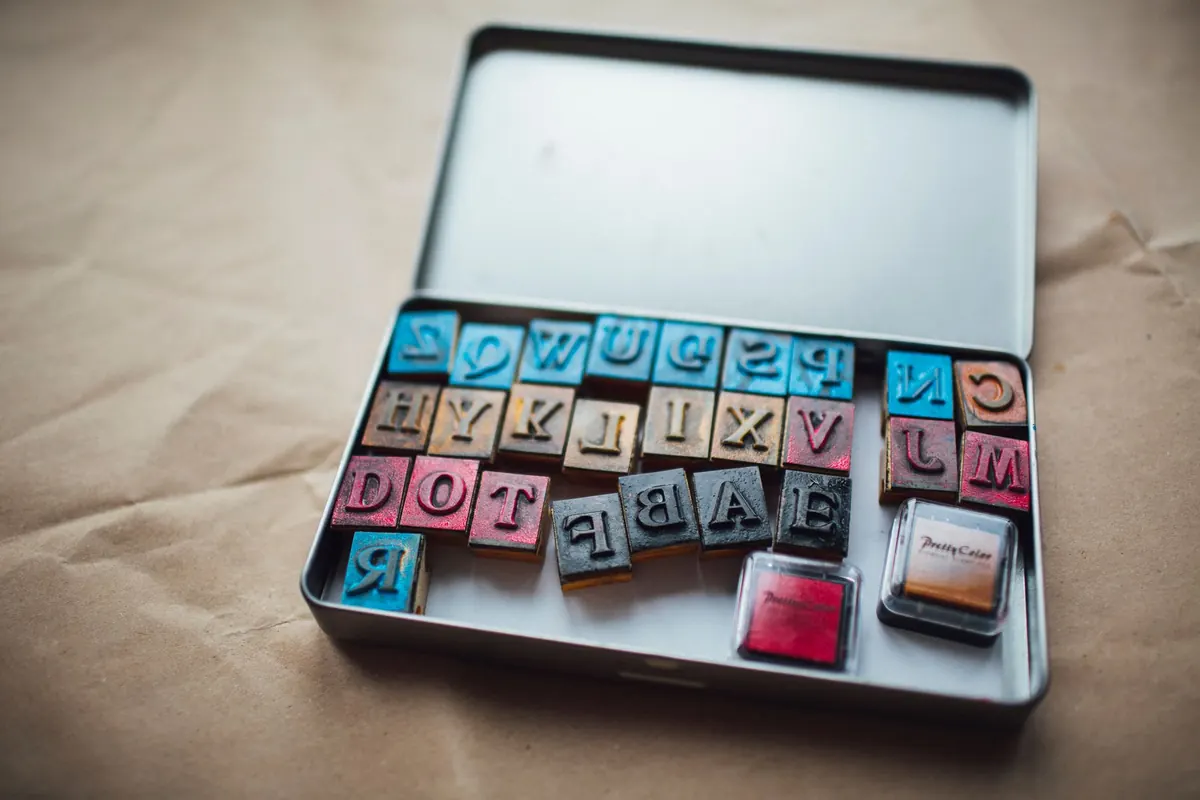
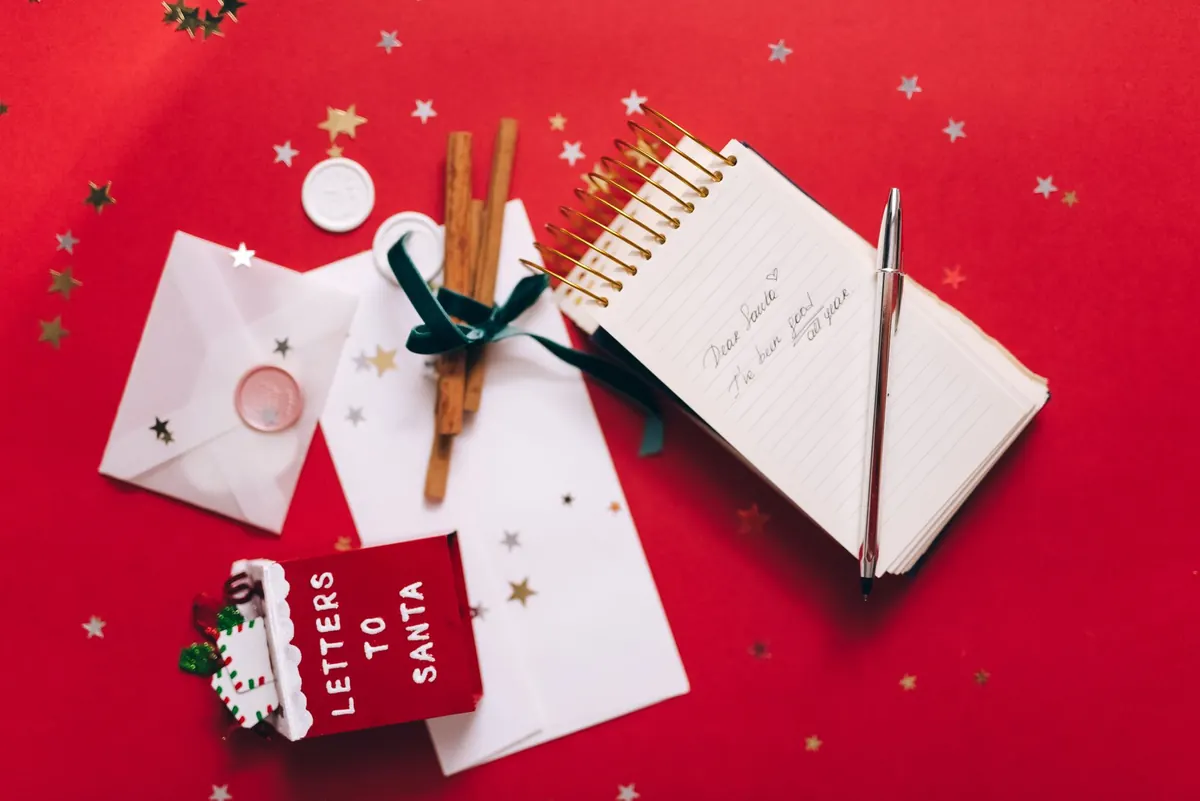
Extras are where a kit becomes a pleasure rather than a chore. Wax seals look wonderful, but they add bulk and can push an envelope into a different handling category, so treat them as an occasional flourish rather than a default. Self-adhesive seals give a similar look with none of the postal fuss. Washi tape, small stickers, rubber stamps, and coloured ink pads let you decorate a page without any real skill.
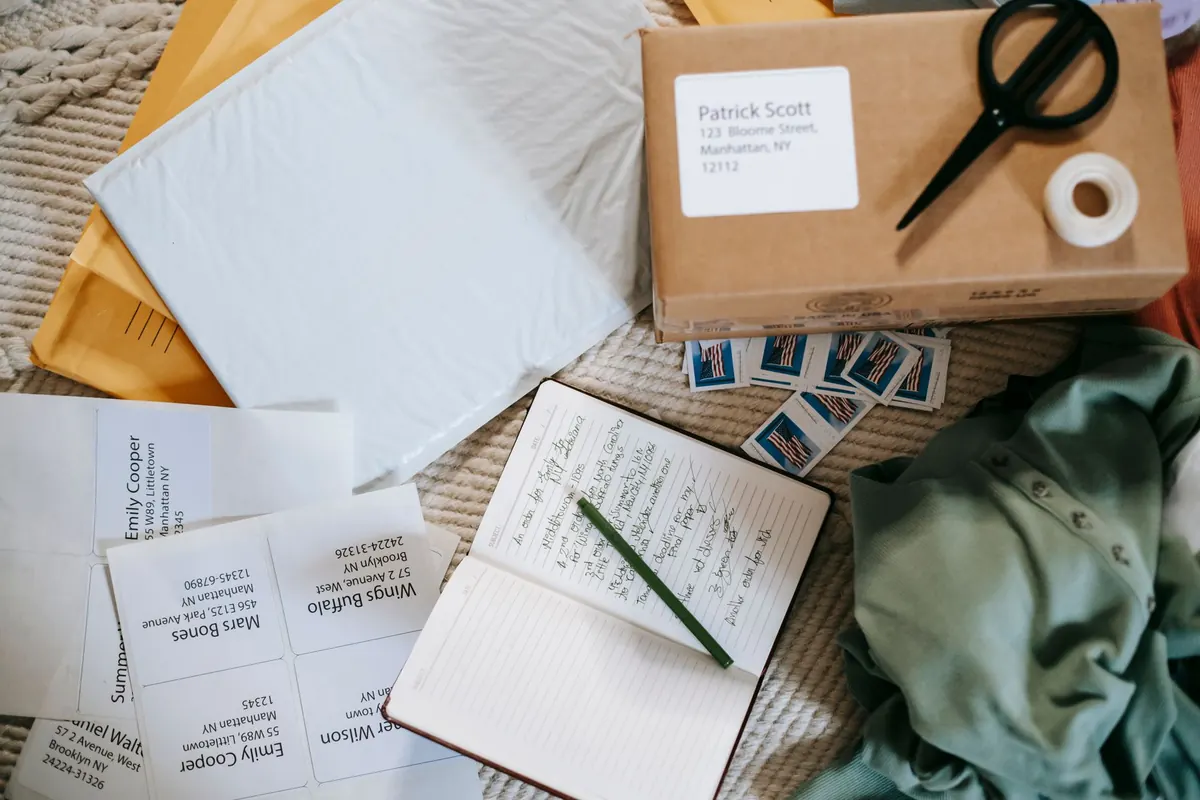
The unglamorous extras earn their keep just as quickly: a shallow tray or tin that holds the whole kit so you can carry it to the kitchen table, a paper address book that never needs charging, a notebook for drafts and for tracking who is owed a reply, and a short list of birthdays so letters go out on time rather than a month late.
Write the letter you would want to receive. Everything else is shopping.
Build the kit in one short shopping trip, then put it somewhere you will see it. A kit buried in a drawer behind old paperwork never gets used. Keep the tray on a corner of the desk, or on a shelf with a chair nearby, and keep the stamps in it so there is never an excuse to postpone a reply.
Then write. Choose one person: a friend who moved away, a grandparent, someone who sent you something last month. Three paragraphs is plenty. A greeting, one thing that actually happened this week, and a question for them. Sign it, address the envelope, stamp it, and put it by the front door rather than back on the desk.
Don't wait for the perfect paper or the perfect pen. Stationery is only a tool. The person opening the envelope will remember the handwriting and the fact that you took the time, not the watermark or the nib width.
Photo: Jess Bailey Designs / Pexels